
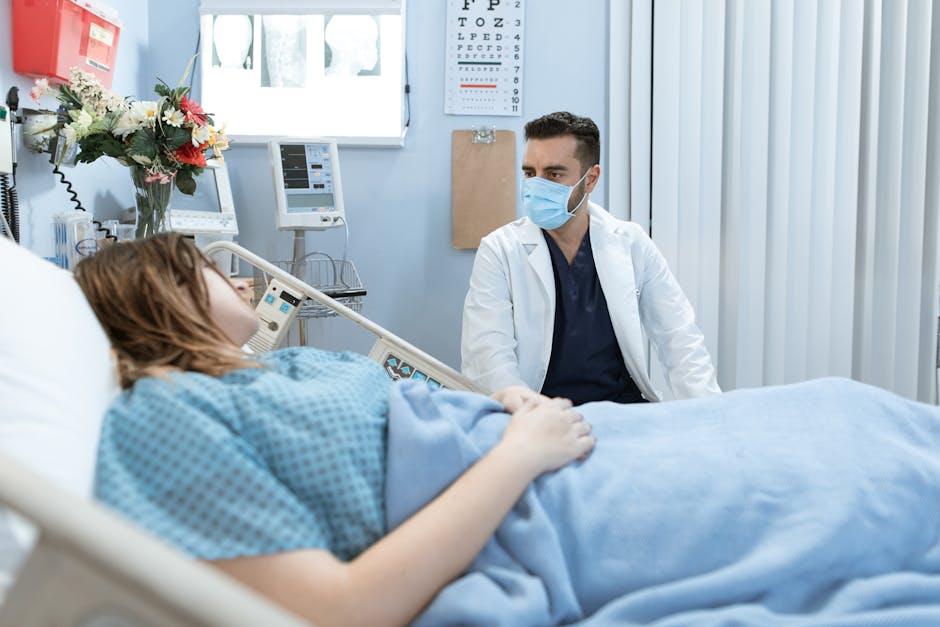
On the ground, when a medical malpractice matter becomes active in Los Angeles, California, the avoidable damage usually starts in the local file first, especially around provider record, operative-note detail, and local routing. the real value usually comes from showing where local handling changes the pace of the matter.
- In Los Angeles, California, the core legal structure still comes from California state law, but the administrative and practical pressure points quickly become local.
- The most useful early move is usually to separate statewide rules from local logistics, records, and agency or court handling.
- If a matter involving medical malpractice is active in Los Angeles, California, the file usually gets stronger when the timeline and local record are organized before broad responses go out.
These points come from official or institutionally reliable sources used to keep this page grounded.
- Local government directory: California publishes an official local-government directory that helps readers reach county and city agencies, courts, clerks, or municipal offices when the issue turns local. (source)
- Official state government portal: California's main government portal is the official starting point for navigating agencies, public services, and statewide administrative information. (source)
- Medical record access rights: HHS says the HIPAA Privacy Rule generally gives people the right to inspect, review, and receive a copy of their medical and billing records. (source)
- Patient privacy complaint path: HHS provides the official path for filing a complaint if someone believes their health-information privacy rights were violated. (source)
These source links are injected by the site logic so the page keeps an official footing at the state, court, and local-routing levels.
State-level official references
- Official state portal: California (source)
- Attorney general portal: Attorney general portal (source)
- Motor vehicle agency: Motor vehicle agency (source)
- Consumer protection route: Consumer protection route (source)
Locality routing references
Local Official Routing
Understanding how a claim progresses through different medical facilities and insurance companies in Los Angeles is crucial. While California law sets the foundation, local hospitals, clinics, and managed care organizations have established procedures for receiving and processing claims. These often involve specific departments or individuals responsible for initial notification and investigation. Familiarizing yourself with these routing pathways can help ensure your case receives prompt attention and reduces potential delays – a key factor in medical malpractice timelines. This system operates alongside the broader state legal framework, impacting the efficiency of communication and evidence gathering.
What changes at the local level
In a city guide for Los Angeles, California, the local layer is usually not about inventing a separate body of law. It is about the real-world path of the file: local agencies, local court logistics, local public records, and the timing pressure that starts once the matter becomes active.
What still comes from state law
The filing windows, baseline rights, and overall structure usually still come from California. A stronger local guide should say that plainly instead of pretending each locality writes its own full legal code for this issue. Clear, state-level medical malpractice guidance for California readers who need the first moves, records, and pressure points laid out cleanly.
Records and notices worth protecting early
The strongest local files usually start with organized records: formal notices, agency or insurer messages, account history, photographs, receipts, treatment or payroll records, and a written timeline that can still be trusted later.
Where local cases usually lose ground
Local matters often weaken when the practical file gets ahead of the facts. That usually means missing notices, loose explanations, delayed records, or treating a local office interaction as informal when it is already affecting the official story.
Why a county or city guide helps
A local page should save the reader a layer of guesswork. It should explain that the state rule is one part of the problem, but the local handling path in Los Angeles, California is often where the avoidable damage starts.
A practical next-step plan
For most readers in Los Angeles, California, the better next move is disciplined rather than dramatic: identify the statewide rule, identify the local handling path, preserve the record, and get review before the file settles into the wrong shape.
What a local malpractice page should clarify
Malpractice rules may come from statewide doctrine, but the live file quickly becomes local through providers, hospitals, chart access, follow-up treatment, and chronology gaps that get harder to repair later.
Frequently Asked Questions
Does a medical malpractice matter in Los Angeles, California follow local law or California law?
A medical malpractice matter in Los Angeles will primarily follow California law, which establishes the core legal principles. However, local procedures for notice, record assembly, and initial handling are often determined by individual healthcare providers and insurance companies within the city. Understanding both is crucial to navigating the process effectively.
What should someone in Los Angeles, California organize first?
The very first step should be meticulous documentation of all relevant medical information – records, bills, correspondence. Simultaneously, initiating a formal notice of intent to file a claim under California law is critical. This serves as an initial notification and establishes a timeline for investigation.
Why does the local layer matter in a city guide?
The “local layer” matters because it encompasses the practical processes surrounding a medical malpractice claim within Los Angeles County, including how claims are received, investigated, and managed by individual hospitals, clinics, and insurance carriers. These local variations can significantly impact timelines, communication protocols, and potentially even the initial assessment of liability.
When does legal review start changing the outcome in Los Angeles, California?
Legal review typically begins when an attorney assesses the merits of a claim after sufficient evidence has been gathered. At this stage, legal counsel will analyze the case under California law, evaluate the strength of the evidence, and formulate a strategy for settlement or litigation – often influencing the direction and potential outcome.
What is the safest next step for most readers in Los Angeles, California?
The safest next step for most readers is to consult with an experienced medical malpractice attorney licensed in California. An attorney can provide guidance on navigating the complex legal landscape, protecting your rights, and ensuring all necessary steps are taken to build a strong case.
If the matter is already moving, review state deadlines and use the consultation form before a local record problem turns into a larger value or deadline problem.
Potential medical malpractice case?
Strict deadlines apply — get a case review now.
Sponsored links. Affiliate disclosure · Compare all options