
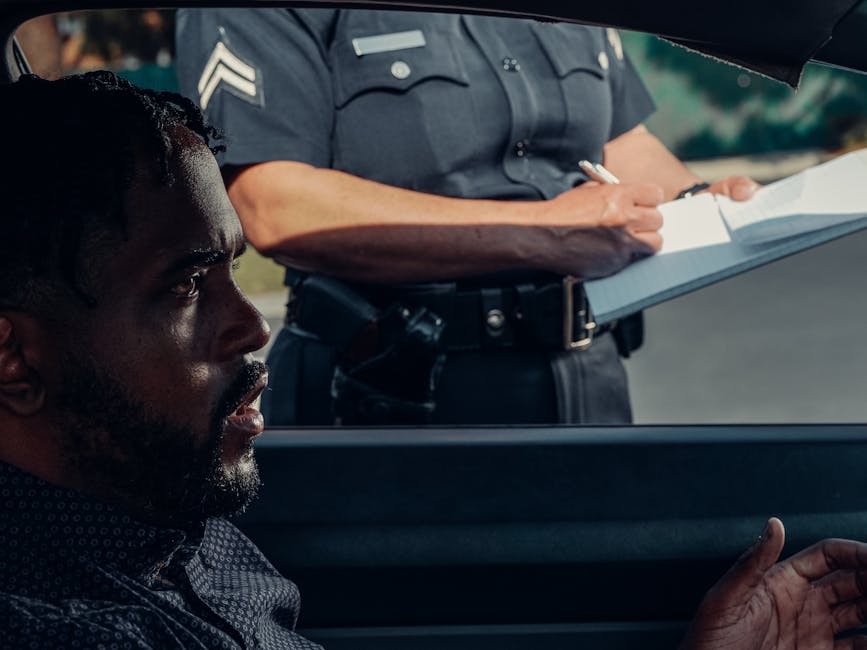
From a reader's point of view, for readers in San Diego, California, the practical question is rarely just what state law says. It is also how stop record, suspension pressure, and administrative friction start changing the file once the matter becomes active locally. the first useful move is usually to separate the statewide rule from the local pressure.
- In San Diego, California, the core legal structure still comes from California state law, but the administrative and practical pressure points quickly become local.
- The most useful early move is usually to separate statewide rules from local logistics, records, and agency or court handling.
- If a matter involving dui & traffic violations is active in San Diego, California, the file usually gets stronger when the timeline and local record are organized before broad responses go out.
These points come from official or institutionally reliable sources used to keep this page grounded.
- License and motor vehicle portal: California's official motor-vehicle portal is the primary starting point for license status, reinstatement, and driver-record tasks. (source)
- Local government directory: California publishes an official local-government directory that helps readers reach county and city agencies, courts, clerks, or municipal offices when the issue turns local. (source)
- Impaired-driving consequences: NHTSA states that DUI-related penalties can include license revocation, fines, and jail time, with charge severity ranging from misdemeanors to felonies. (source)
- State DMV entry point: USAGov maintains the official directory for state motor vehicle agencies, which is often the starting point for license and reinstatement questions. (source)
These source links are injected by the site logic so the page keeps an official footing at the state, court, and local-routing levels.
State-level official references
- Official state portal: California (source)
- Attorney general portal: Attorney general portal (source)
- Motor vehicle agency: Motor vehicle agency (source)
- Consumer protection route: Consumer protection route (source)
Locality routing references
Local Official Routing
Once a DUI or traffic violation occurs in San Diego County, documents related to the incident—such as police reports and court notices—typically follow established official routes. These routes often involve specific departments within the City Attorney’s office or Sheriff's Department, followed by transmission to the Superior Court. Understanding these routing procedures is key for ensuring timely filing of responses and adherence to deadlines. It’s crucial to track all documents carefully and ensure they reach the correct local offices promptly.
What changes at the local level
In a city guide for San Diego, California, the local layer is usually not about inventing a separate body of law. It is about the real-world path of the file: local agencies, local court logistics, local public records, and the timing pressure that starts once the matter becomes active.
What still comes from state law
The filing windows, baseline rights, and overall structure usually still come from California. A stronger local guide should say that plainly instead of pretending each locality writes its own full legal code for this issue. A practical dui & traffic violations guide for California residents who need deadlines, process, and next steps explained clearly.
Records and notices worth protecting early
The strongest local files usually start with organized records: formal notices, agency or insurer messages, account history, photographs, receipts, treatment or payroll records, and a written timeline that can still be trusted later.
Where local cases usually lose ground
Local matters often weaken when the practical file gets ahead of the facts. That usually means missing notices, loose explanations, delayed records, or treating a local office interaction as informal when it is already affecting the official story.
Why a county or city guide helps
A local page should save the reader a layer of guesswork. It should explain that the state rule is one part of the problem, but the local handling path in San Diego, California is often where the avoidable damage starts.
A practical next-step plan
For most readers in San Diego, California, the better next move is disciplined rather than dramatic: identify the statewide rule, identify the local handling path, preserve the record, and get review before the file settles into the wrong shape.
Why the local path matters in traffic cases
Traffic and DUI issues feel statewide in doctrine but intensely local in process: stop records, hearing logistics, courthouse timing, towing, holds, and license-risk decisions all become practical almost immediately.
Frequently Asked Questions
Does a dui & traffic violations matter in San Diego, California follow local law or California law?
Both. California state law establishes the general rules for DUI and traffic offenses. However, local city and county procedures – such as how notices are processed and which agencies handle filings – can significantly impact your case’s timeline and specific requirements within San Diego County.
What should someone in San Diego, California organize first?
Your primary priority should be collecting all documents related to the incident: the police report, any traffic citations, and any communication from the court or law enforcement. Accurate record keeping is essential for navigating the local procedures and responding effectively to legal requirements.
Why does the local layer matter in a city guide?
The "local layer" matters because it governs the practical steps you must take – how you file documents, which offices you need to contact, and adherence to specific local deadlines. These details can significantly impact your case’s progress and outcome.
When does legal review start changing the outcome in San Diego, California?
Legal review typically begins when a qualified attorney analyzes the evidence, assesses the potential defenses available under California law, and advises you on the best strategy for negotiating with the prosecution or preparing for trial. Strategic counsel becomes especially critical once local procedures are established.
What is the safest next step for most readers in San Diego, California?
The safest next steps involve contacting a qualified criminal defense attorney experienced in handling DUI and traffic cases in San Diego County. An attorney can provide legal advice tailored to your situation and ensure you understand your rights and obligations at every stage of the process.
If the matter is already moving, review state deadlines and use the consultation form before a local record problem turns into a larger value or deadline problem.
DUI or traffic charge?
Time matters — speak with an attorney today.
Sponsored links. Affiliate disclosure · Compare all options